
Central Research Question
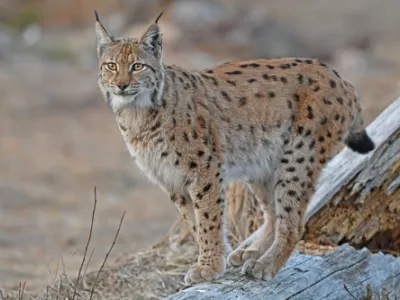
The thesis investigated conflicts between predators and domestic animal husbandry, focusing on Eurasian lynx (Lynx lynx) attacks on sheep. The central research question is: Which factors significantly affect the number of lynx attacks on sheep?
Background and Aims
Predators play an important role in ecosystems, but their presence and behaviour can also contribute to conflicts with human activities. This study investigated whether lynx, sheep and prey densities, as well as forest cover, influenced the number of lynx attacks on sheep. Data from multiple sources were analysed using logistic regression and generalized mixed models.
Key findings
- Prey density matters: Lower densities of natural prey were associated with more lynx attacks on sheep.
- Forest cover matters: Sheep were more exposed to lynx attacks in areas with a higher proportion of forest.
- Multiple factors influence conflicts: The results highlight how both landscape characteristics and prey availability can affect interactions between lynx and domestic animals.
Conservation implications
Reducing conflicts between large predators and livestock requires consideration of both domestic animal husbandry and predator conservation. The findings highlight the importance of understanding how landscape characteristics and natural prey availability influence lynx attacks when developing strategies for coexistence between predators and domestic animals.